
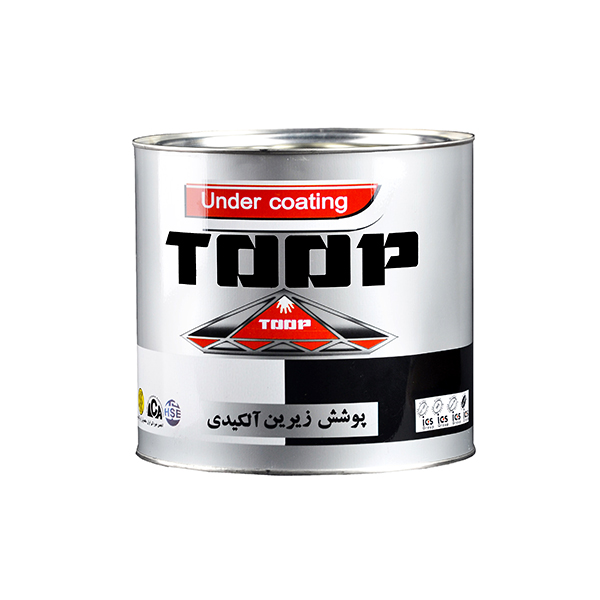
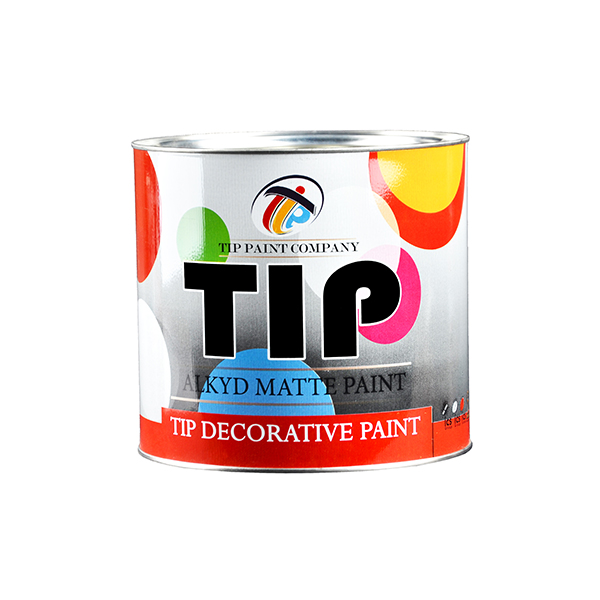
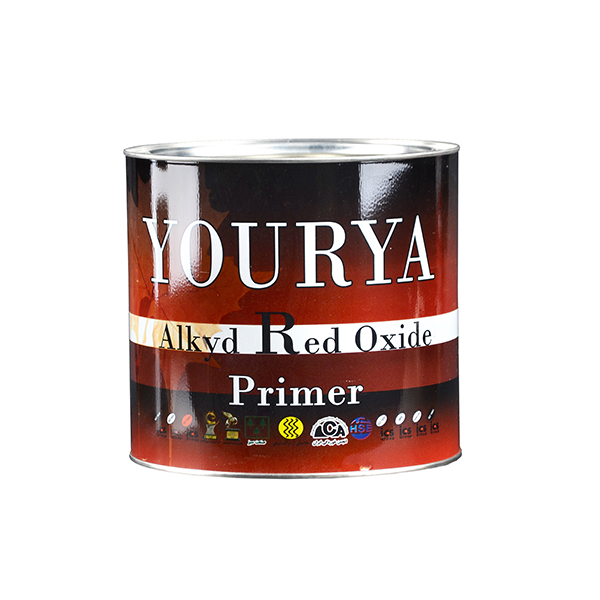
Gray lining priming paint
Toop’s gray-lining priming paint is made from high-quality raw materials and is designed to
provide exceptional resistance and adhesion. It is specifically formulated to prevent
corrosion on steel surfaces and structures, including metal frames, steel sheets, and various
metal surfaces found on buildings. Applying gray-lining priming paint to the surfaces
ensures that the subsequent layer of paint is even and long-lasting. This product features
mineral pigments and is available in two shades of gray and customized gray. The gray-
lining alkyd paint is versatile and can be used for both lining and top color.
Category: آستر طوسی / رنگ های ساختمانی / رنگ های پایه حلال
Brand: توپ
- To apply the gray-lining priming paint, it is important to thoroughly clean and dry
the surface beforehand to ensure it is free from any dust or debris. To effectively
eliminate pollutants from the surface, it is advisable to utilize techniques like
applying air pressure to the surface or washing the surface with detergents and
Toop’s specialized thinner. - Before painting a surface for the first time, it is important to properly prepare the
wall by applying a layer of alif oil or varnish to ensure optimal results. - For optimal results, it is recommended to utilize mechanical techniques like
sandpapering, wire brushing, and sandblasting to enhance the surface roughness of
the previously painted layer; this will ensure better adhesion and a more polished
finish.
The color of the pool ball should preferably be applied in the temperature range of 10 to 40 degrees Celsius and more than 3 degrees above the dew point.
- Air spray with a nozzle diameter of 1.5 to 2 mm and a pressure of 3-5 atmospheres
- Airless spray with a nozzle diameter of 0.015-0.011 inches
- Brush and roller
Toop’s gray-lining priming paint can be applied with a variety of airless sprays, sprays,
brushes, and rollers. To this end, mix the gray-lining priming paint with thinner until it
reaches the desired consistency. Adjusting the air pressure, hand movement speed, and
distance between the nozzle head and the workpiece are all important parameters to control.
It is also necessary to slowly and consistently stir the paint tank while applying the paint.
The spray’s motion ought to be consistent and perpendicular to the workpiece’s surface.
Keep an eye on the wind speed and direction while you spraying paint outdoors.
Regular intervals of painting are of the utmost importance. Problems with layer adhesion
and bonding might arise from delaying the repainting. If you want to lessen the impact of
the painting timer running out, it is recommended to observe the following:
Begin by rinsing the paint surface with clean water. Ensure the surface of the paint is
promptly dried to avoid any unsightly deposits or stains on the paint film, resulting in a
clean and even finish. If there is any contamination, it can be removed using sandpaper or
chemical solvents. If you notice any scratches or damage on the film’s surface, here is what
you should do:
Before visually inspecting the painted surfaces and parts, fully remove any paint film
contamination from the surfaces. Indicate the kind of complications that may arise,
including but not limited to deep and superficial scratches, layer separation, welding,
cutting, milling, and contact with different chemicals and grease.
Use water to clean the paint’s surface if you notice any surface damage. To avoid
sedimentation on the paint surface due to the presence of salts in the water, dry the paint
surface as soon as possible. If the film has become worn down or if there is contamination
on the surface that has not been cleaned away by washing, use sandpaper with the proper
roughness to even out the surface and remove any contamination. Utilize compressed air to
effectively eliminate any remaining materials and impurities from the stained areas. When
applying paint, it is important to consider the type of coating system and whether you’re
using a brush or spray system. Make sure to apply each layer of paint with the appropriate
time interval between them.
If the damage is extensive, such as paint film destruction and rusting, use a wire brush and
sandpaper to remove the rust, and then use compressed air to clean the surface. After that,
apply the coating system of your choice using a spray or brush.
Damage to the paint film from cutting and welding can penetrate all the way to the primer.
In such a situation, you can clean the surface with compressed air after using electric and
mechanical tools like sandpaper, wire brushes, and washers to eliminate all traces of rust
and ash from the burnt colors. The final step is to coat everything to your liking using a
spray or brush.
In addition, if the paint film is harmed by chemical contact, use a wire brush and sandpaper
to eliminate the bad traces of the paint, and then use thinner to clean the surface to a suitable
distance from the chemical contact point. Make sure all traces of grease and chemicals are
eliminated. The next step is to apply paint to the damaged layers by adjusting the thickness
of the dry paint film. To fix the coating system, apply the desired paint after washing the
surface with a suitable detergent and removing all chemicals. If the damage to the film’s
surface is deep, use a wire brush to clean the damaged parts up to the metal surface.
- Wearing a mask and goggles and having the air conditioning turned on in indoor
spaces are essential due to the dangers of inhaling the solvent vapors from this paint. - Due to its flammability, this paint must be stored in an area away from heat, flames,
and sparks. - If the paint gets in your eyes or gets swallowed, rinse the area thoroughly with plenty
of water and then immediately consult a medical professional. - Store the product away from direct sunlight in a dry, cool environment at normal
temperature to avoid the priming paint freezing.
Product Details
| fam shine | matte in all shades |
|---|---|
| number components | a minor |
| density (gr/cm3) | 1/35±0/1 |
| solids percentage by weight | 71±2 |
| suggested dry film thickness | 60 micron |
| surface drying time | 4 hours |
| deep drying time | 16 hour |
| drying mechanism | Solvent evaporation and oxidation in air |
| storage period under standar | 4 years |
Reviews
There are no reviews yet.